
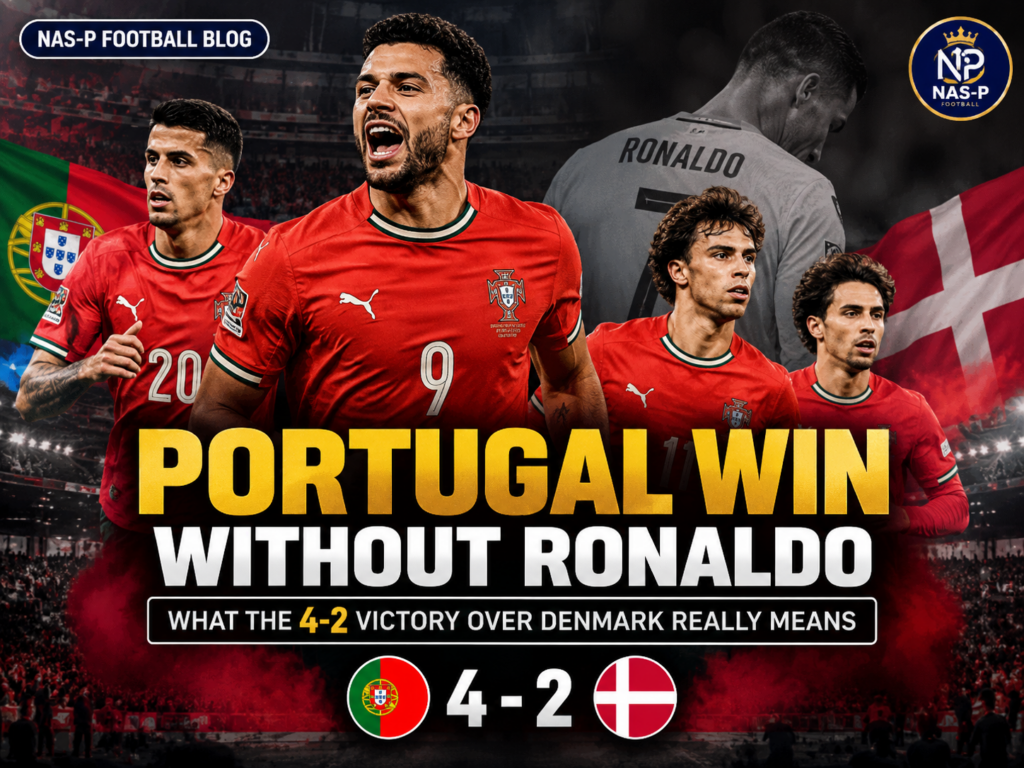
Portugal answered a turbulent few days with a six-goal performance in Copenhagen.
That is the cleanest way to describe the 4-2 victory over Denmark. The result mattered because Portugal stayed perfect after three Nations League matches. The performance mattered because Jorge Jesus’s team showed it could create, respond and eventually pull away from a difficult Denmark side without Cristiano Ronaldo.
But this is not proof that Portugal are better without Ronaldo. It is proof that Portugal have options when their long-time captain is unavailable — and that those options are becoming harder for the coach to ignore.
Portugal vs Denmark Was Twice a Test of Character
The match began with Portugal looking comfortable. Gonçalo Ramos’s movement created the opening for João Cancelo, who put the visitors ahead in the 13th minute. Denmark responded quickly through Mikkel Damsgaard in the 23rd minute, but Portugal restored their lead two minutes later when Ramos finished the next attack.
That sequence captured what Ramos offered. He was not simply waiting for chances in the penalty area. He connected the attack, moved defenders and then attacked the space himself.
Denmark refused to disappear. Rasmus Højlund equalised in the 53rd minute and celebrated with Cristiano Ronaldo’s famous “Siu” routine. It was a playful moment in a match surrounded by serious questions about Ronaldo’s Portugal future, but it also gave Denmark another foothold.
Portugal then had to respond for a second time. Vitinha restored the lead in the 67th minute, heading in Bruno Fernandes’s delivery. João Félix completed the win in the 87th minute.
The important detail is not merely that Portugal scored four. They were pegged back twice and still found a higher level late in the match.
Gonçalo Ramos Gave Portugal a Different Reference Point
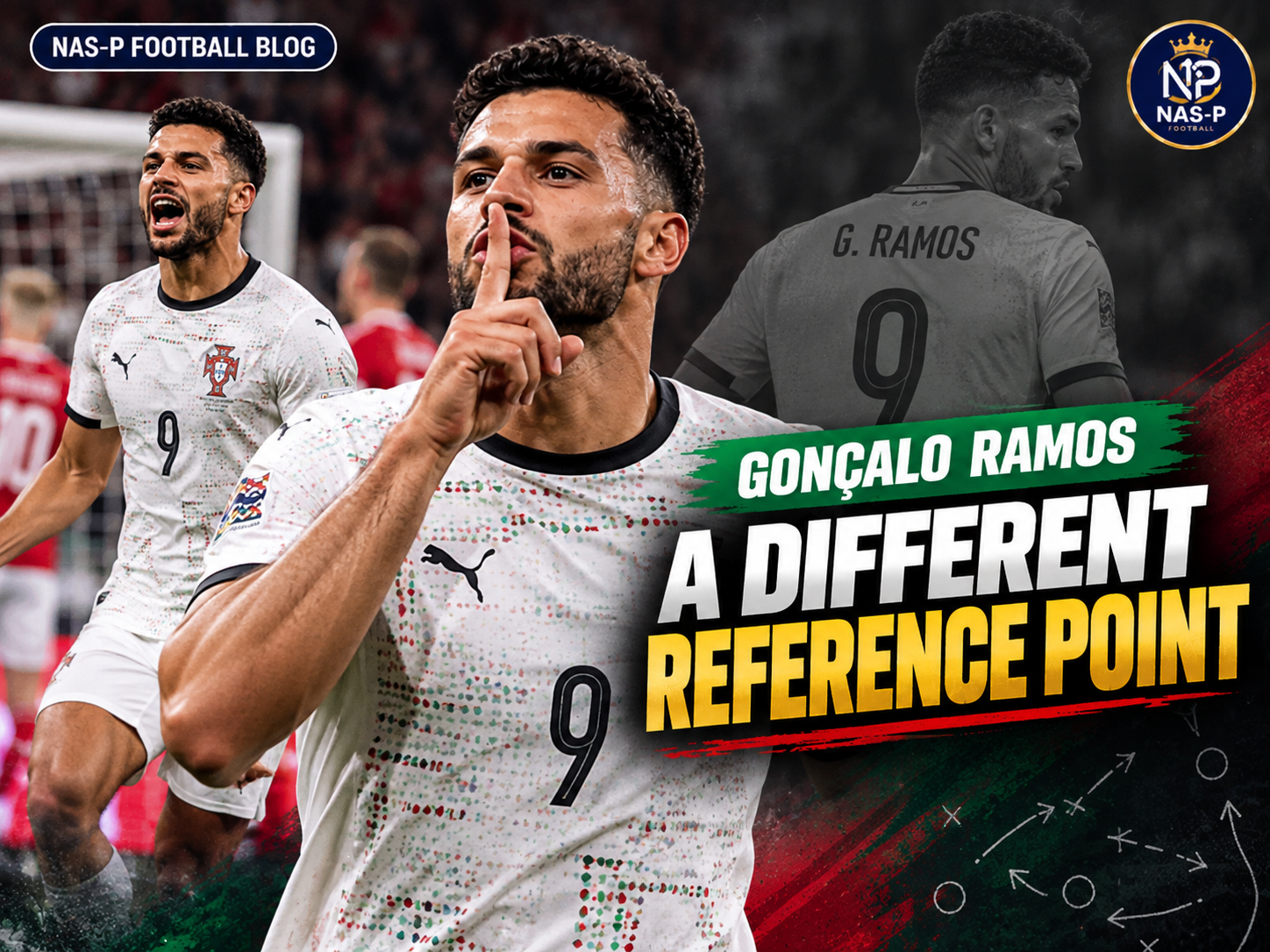
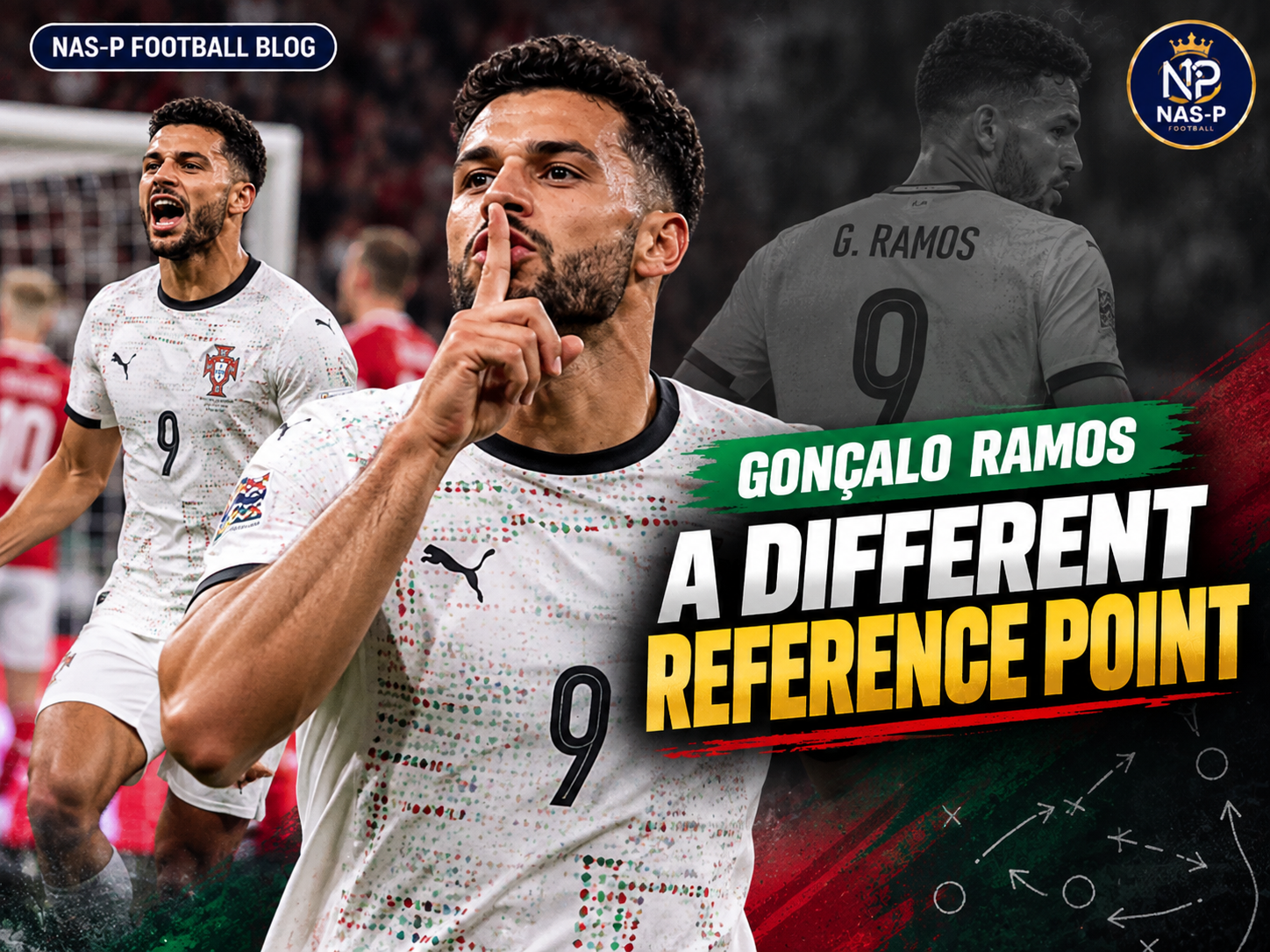
Ramos was the most important attacking piece of the night because he changed how Portugal could build attacks.
Ronaldo’s presence usually gives Portugal an obvious target. His movement, penalty-box instincts and authority shape the way opponents defend. Ramos offers a different reference point. He is more willing to move away from the centre-back, link with the midfield and then arrive into the box from a new angle.
That variety was visible in the opening goal. Ramos helped create Cancelo’s finish before scoring himself soon afterwards. ESPN described him as the player taking Ronaldo’s place and highlighted the direct contribution he made to the first two goals.
This does not mean Ramos has replaced Ronaldo in the larger sense. It means Jesus can use a striker who gives the front line more movement and perhaps allows Portugal’s wide players and midfielders to attack different spaces.
The question is whether Ramos can produce this level against opponents who sit deeper, defend the box more carefully and refuse to give him room to run into. One excellent night gives Jesus evidence. It does not settle the position permanently.
Cancelo, Vitinha and Bruno Fernandes Showed the Depth of Portugal’s Attack
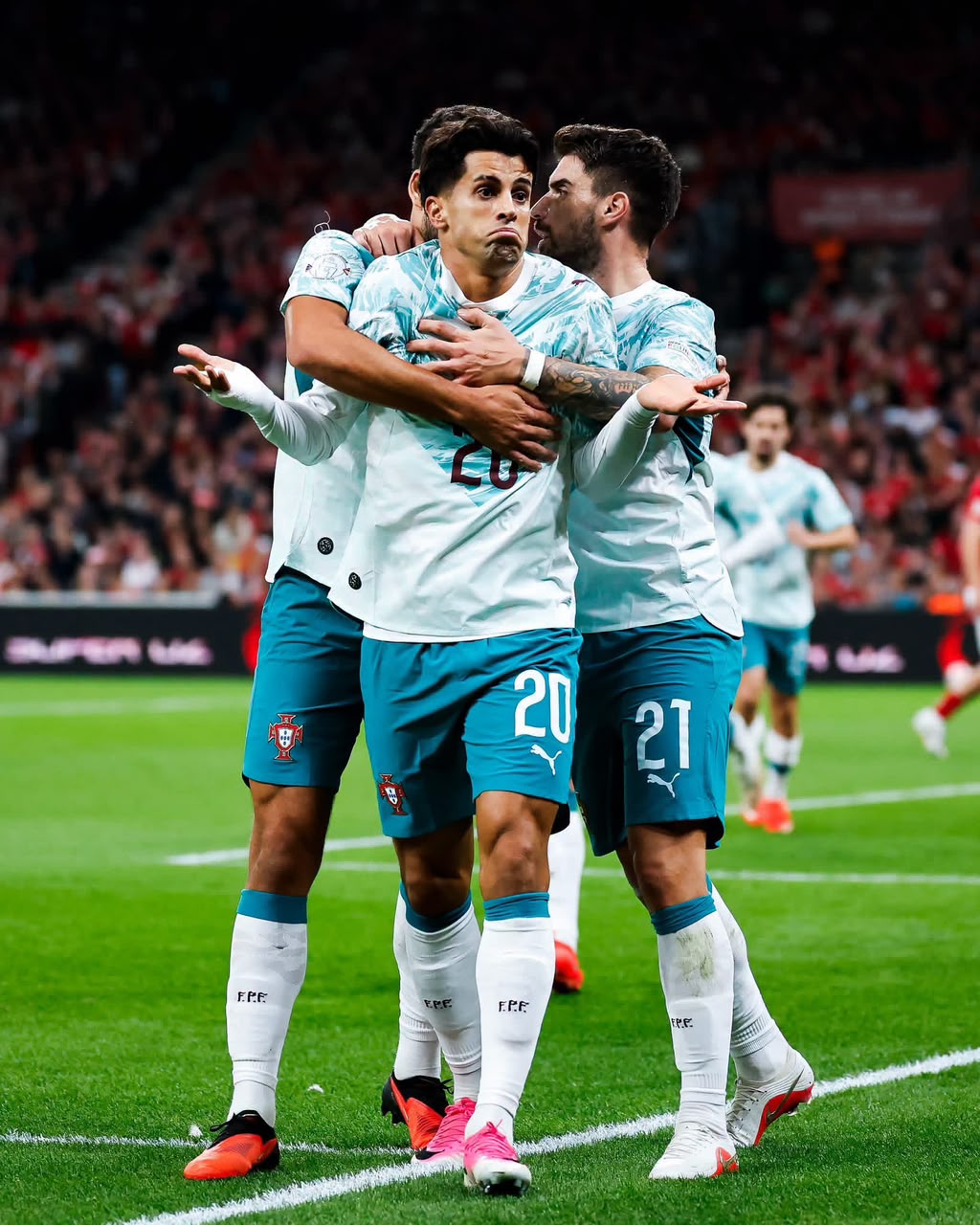
Portugal’s most encouraging feature was the number of players who could decide the match.
Cancelo opened the scoring from a move started by Ramos. Vitinha then met Fernandes’s delivery with a header. Fernandes supplied the delivery for that goal and remained central to Portugal’s ability to move the ball forward. Félix, introduced into the scoring story late, provided the final piece of calm when Denmark were still within reach.
That is what an emerging Portugal under Jesus can offer: not one route to goal, but several.
The midfield can create chances from different areas. The full-backs can arrive in advanced areas. The forwards can rotate rather than waiting for one player to solve every problem. It is too early to call this a new tactical identity, but the options are clearly there.
The caution is that Portugal also conceded twice. Their attacking quality rescued the night, but a stronger opponent may punish the spaces Denmark could not protect. The next step is to turn attacking variety into match control rather than relying on another late response.
Portugal Without Ronaldo — But Don’t Rush the Verdict
Ronaldo left Portugal’s camp on 30 September after Jesus said he did not plan to start him against Denmark. Ronaldo said his decision followed the coach’s press conference and a conversation with the federation president. Jesus later said it was normal for Pedro Proença to meet both of them. Ronaldo said he would explain the reasons “in due course.”
The Portuguese federation confirmed that he had left and said preparations would continue with the remaining squad members. Ronaldo’s international retirement has not been confirmed, so it would be irresponsible to describe this as the end of his Portugal career.
What the Denmark match does show is that Portugal can function without him. That is different from showing that Portugal should always function without him.
Ronaldo remains Portugal’s record scorer and most-capped player. His career with the national team is too extraordinary to be reduced to one bench decision or one result in Copenhagen. The responsible conclusion is narrower: Jesus has attacking alternatives, and Ramos has strengthened the case for more opportunities.
There is also a human and managerial question. Jesus worked with Ronaldo at club level and understands the authority attached to a player of his history. He also made clear that selection decisions belong to the coach. The situation now requires careful handling because Portugal’s short-term performance and Ronaldo’s long-term role are connected, but they are not the same question.
What Does This Mean for Jorge Jesus’s Portugal?
Jesus has now seen his team win its first three Nations League matches, including an important away victory in Denmark. That gives him room to experiment, but it also raises the standard for his decisions.
Ramos should not be treated as a temporary replacement simply because Ronaldo was absent. He should be judged on whether his movement, pressing and link play help Portugal control matches. Félix, Vitinha, Fernandes and Cancelo have also shown that the team can share responsibility rather than waiting for one superstar moment.
That is the real significance of Portugal vs Denmark. It was not a referendum on Ronaldo. It was a demonstration that Portugal’s next phase can be built around more than one attacking solution.
For more international football coverage, see our analysis of how the international calendar is changing and what the growing workload means for players.
Portugal will host Norway next. That match will offer a different test: can the team reproduce the same attacking fluidity against an opponent who has now seen the Denmark performance, and can it control the match without repeatedly being dragged level?
The final question is not whether Portugal can win one game without Ronaldo. They have answered that already. The harder question is what role, if any, Ronaldo now has in a Portugal side that is beginning to discover how many ways it can play.