
International breaks have a habit of arriving just when the club season starts finding its rhythm.
The Premier League begins to take shape. La Liga storylines start developing. In Nigeria, the NPFL begins giving supporters an idea of which teams might be serious contenders.
Then the international window arrives.
For supporters who spend most weekends following their clubs, the interruption can feel frustrating. Fixtures disappear, momentum is broken and attention suddenly shifts from domestic football to national teams.
This year, though, something is different.
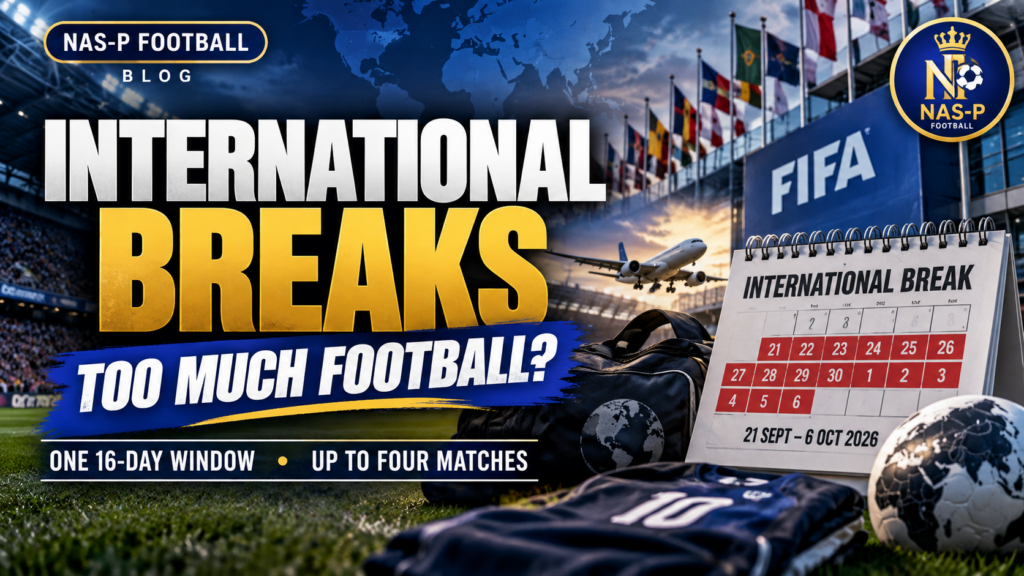
The international break 2026 has introduced a major change. Instead of the traditional September international break followed by another interruption in October, FIFA’s men’s international calendar now combines them into one longer window. From September 21 to October 6, national teams can play up to four matches.
In theory, that means fewer separate interruptions to the club season. In practice, it raises another question:
Have we actually solved the international-break problem, or have we simply created a longer version of it?
The International Break Has Changed
For years, supporters became familiar with the pattern.
Club football would stop in September, return briefly and then stop again in October.
From 2026, FIFA has changed that structure. The September and October windows have effectively become one 16-day period in late September and early October, with national teams permitted to play up to four matches.
There is some logic behind the change.
Instead of players repeatedly leaving their clubs, travelling across countries or continents, returning for a few club matches and then leaving again, one extended window reduces the number of separate releases.
For clubs, that should mean fewer interruptions. For national-team coaches, it creates something they rarely get: meaningful time with their players.
But reducing the number of breaks doesn’t necessarily reduce the amount of football. Four international matches inside one window is still a demanding schedule, particularly for players who have already spent months moving between club and country.
And that is where the bigger issue begins.
The Problem Isn’t International Football
It would be easy to argue that club football would simply be better without international breaks.
But that misses why international football matters.
For Nigerian supporters, watching the Super Eagles attempt to qualify for AFCON isn’t an unnecessary interruption. It is part of football itself.
Nigeria’s current window includes 2027 AFCON qualifiers against Madagascar and Guinea-Bissau, followed by an international friendly against Russia on October 6.
The same applies elsewhere. World Cup qualifiers, continental qualifiers and competitions such as the Nations League give international teams competitive matches outside major tournaments.
Without international windows, national-team coaches would barely have an opportunity to work with their squads.
So the problem isn’t that international football exists. It’s that football keeps adding demands at almost every level while largely relying on the same elite players to satisfy them.
Club Football Wants Them. Countries Want Them Too.
The tension between club and country isn’t new, but this international window has made it particularly visible.
England are scheduled to play four Nations League matches during the extended window. Their manager, Thomas Tuchel, has rejected suggestions that he should rotate players simply to protect them for their clubs.
His position isn’t difficult to understand. He is England’s manager, and his job is to prepare England to win competitive matches rather than make sure Premier League managers receive rested players when domestic football resumes.
Club managers, however, have their own concerns. They work with those players for most of the season and depend on them across domestic leagues, cups and European competitions. When a player returns injured or exhausted from international duty, the club has to deal with the consequences.
France have approached the same four-match period differently. After Kylian Mbappé was ruled out of the trip to Belgium through injury, Zinedine Zidane said he planned to rotate his squad, while also pointing to the difficulty of asking players to handle four matches in such a short period.
The circumstances are different, but both examples expose the same pressure.
The calendar is asking a lot from the players caught between club and country.
How Much Football Is Too Much?
This is where the conversation becomes bigger than international breaks.
FIFPRO has repeatedly raised concerns about the workload facing professional footballers.
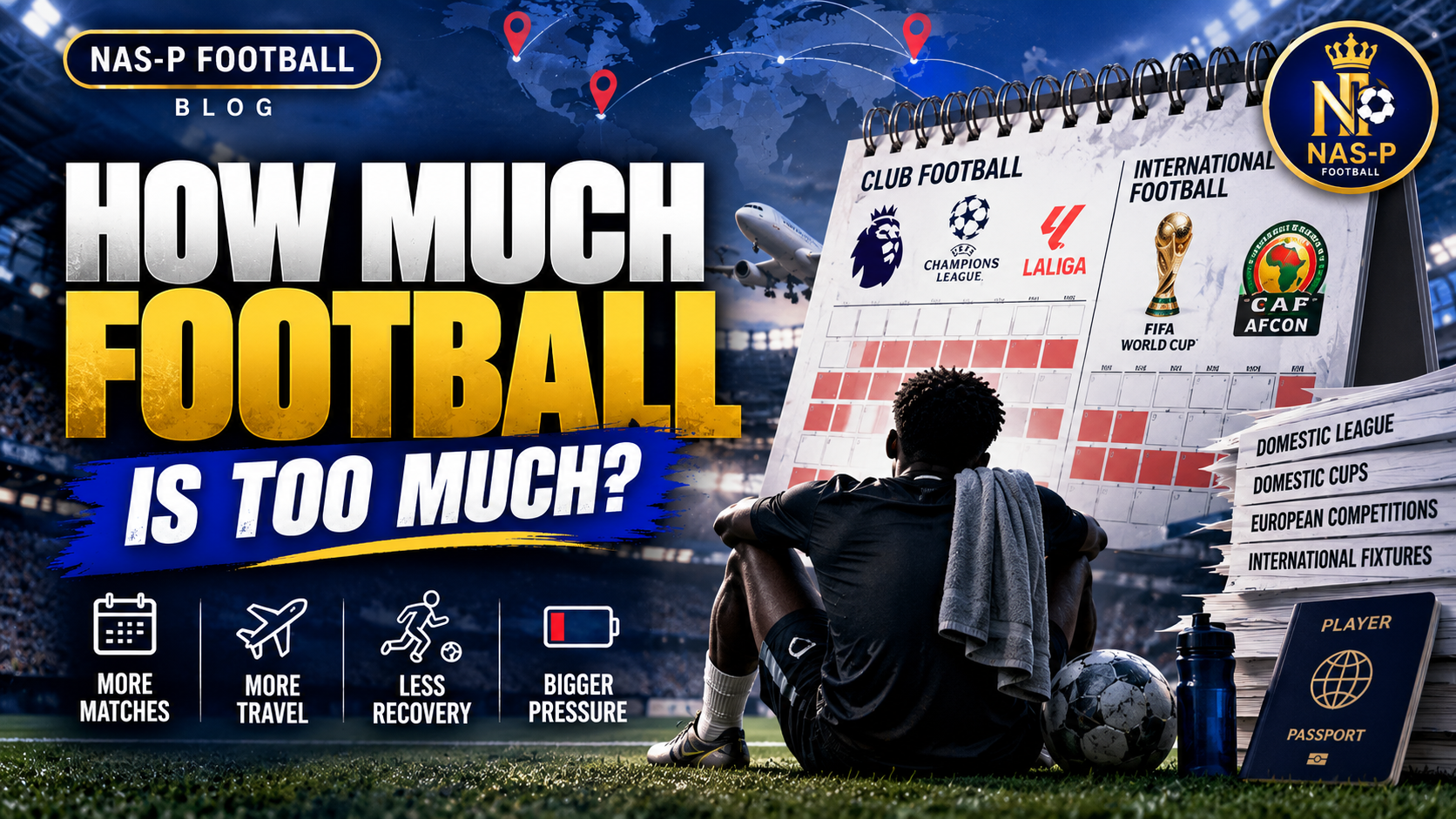
Its 2026 workload discussions highlighted players who had already exceeded 50 appearances during the club season and warned that some could potentially pass 70 matches by the end of the full campaign, including international commitments.
The organisation has also argued for minimum safeguards around summer breaks and sufficient preparation before a new season.
Those concerns carry additional weight in a World Cup year. Many elite players finished their club campaigns, joined their national teams for the expanded 2026 World Cup and then returned to their clubs for another season. Only a few months later, another demanding international window has arrived.
And workload isn’t simply about counting matches.
Travel matters. Recovery matters. Training matters. So does the difference between playing twice in seven days occasionally and repeatedly doing it across an entire season.
Football often discusses players as though fitness is simply a question of whether someone is injured. But a player can be available without being fully recovered, and that distinction becomes increasingly important when the calendar leaves little room to stop.
Nigeria Shows Another Way of Handling the Window
There is an interesting detail in how Nigeria are approaching this period.
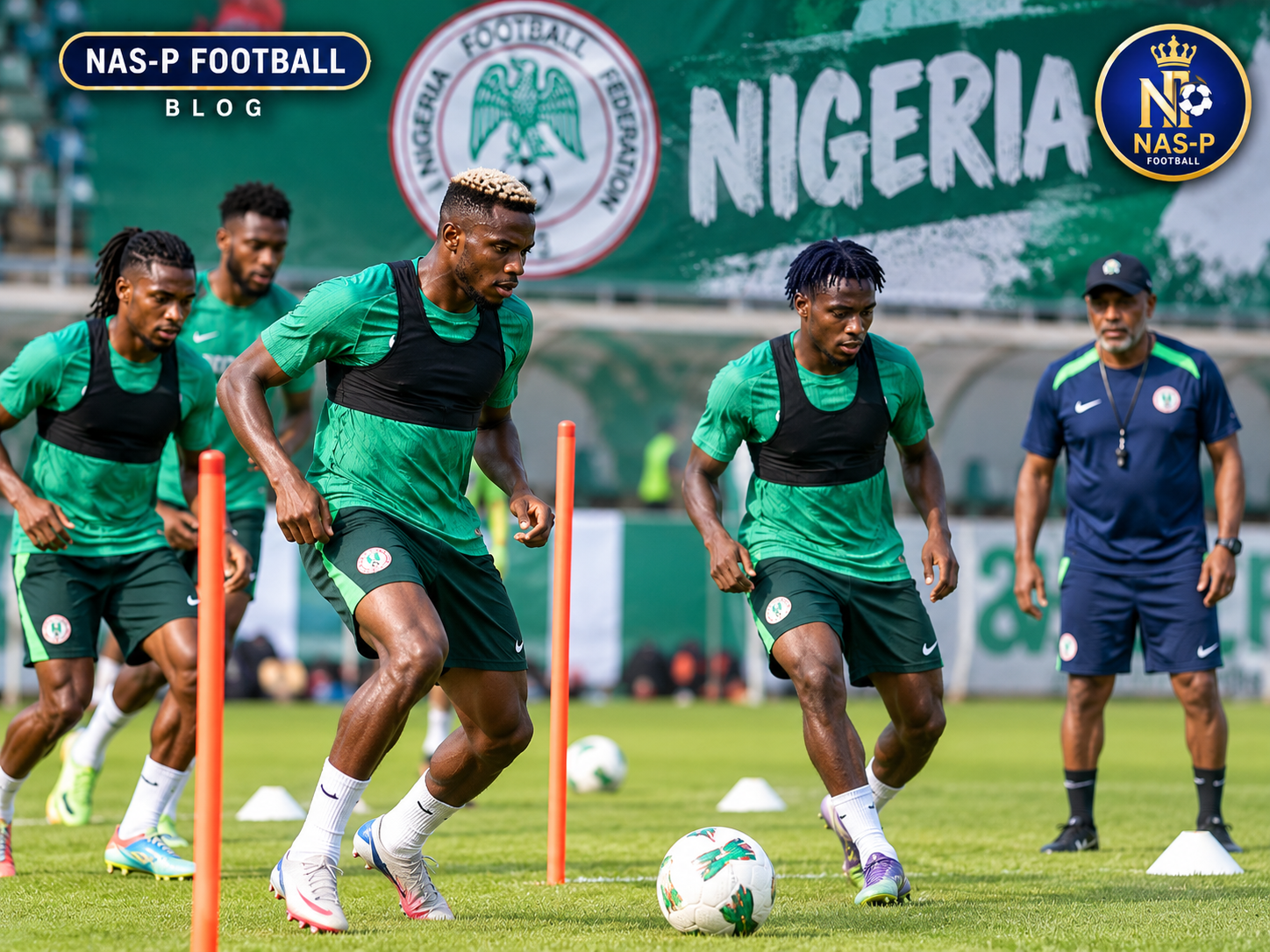
Eric Chelle selected an established Super Eagles core for the AFCON qualifiers against Madagascar and Guinea-Bissau, while a substantially different group is expected for the October 6 friendly against Russia.
It makes sense.
Competitive qualifiers carry obvious importance. A friendly offers more room to experiment, assess other players and reduce the demands placed on some established internationals.
Not every country has that luxury. Some national teams are playing four competitive fixtures during this window, meaning rotation becomes a sporting decision rather than an obvious workload-management choice.
Nigeria’s approach nevertheless demonstrates that not every international fixture has to demand exactly the same players.
Squad depth can be part of workload management too.
Is One Long Break Actually Better?
This might be the most interesting part of FIFA’s change.
From a club supporter’s perspective, one extended interruption could actually be preferable to two separate ones.
Previously, club football could build momentum, stop for September, restart and then stop again in October. Now there is one significant interruption before a longer uninterrupted stretch of domestic football.
That could improve the rhythm of the club season. It could also reduce some of the repeated international travel involved in players leaving and returning to their clubs.
But there is a trade-off.
Instead of two matches followed by a return to club football, some players can now face four internationals during one extended period.
FIFA may therefore have reduced one problem — repeated disruption — without completely solving another: the total demand placed on players.
That doesn’t automatically make the new system worse. It simply means its success should be judged by more than how annoying the break feels to supporters.
Football Can’t Keep Expanding Everything
This is ultimately where the argument leads.
International football deserves space. Club football deserves space. Players also need genuine opportunities to recover.
The difficulty is trying to provide all three while competitions continue demanding more.
More meaningful international matches sound attractive. Expanded club competitions sound attractive too. More fixtures mean more broadcasts, more tickets and more opportunities for supporters to watch their teams.
But calendars have limits even when football’s appetite for more matches doesn’t.
FIFPRO has argued that workload management needs stronger minimum safeguards around rest and recovery. FIFA has also previously stated that its international calendar should provide meaningful matches while taking player wellbeing into account.
Those objectives aren’t necessarily incompatible, but eventually they require choices.
If competitions continue expanding, something somewhere has to give.
So, Does Football Need This Many International Breaks?
Perhaps the question needs adjusting.
Football needs international windows. National teams cannot function without them, and competitions such as AFCON, the World Cup and their qualifiers remain some of the biggest occasions in the sport.
What football doesn’t need is a calendar where every available space becomes another opportunity to add a match.
Combining September and October into one longer window may prove to be a sensible improvement. Fewer separate interruptions could benefit clubs, supporters and even players who previously travelled back and forth repeatedly.
But four matches in one window also show why rearranging the calendar isn’t enough on its own.
The real challenge is workload.
Supporters want to watch the best players representing their clubs and their countries. Clubs and national teams understandably want those players available when important matches arrive.
The difficult part is accepting that there has to be a limit somewhere.
Football can reorganise international windows. It can expand competitions. It can squeeze another fixture into the calendar.
What it cannot do is keep demanding more football from the same players while pretending recovery will somehow take care of itself.
Sometimes what players need isn’t another match.
It’s time to stop.